
Integrity & Professional & Quality
Energy-efficient & eco-friendly, turning industrial waste, mineral powders, and other powdered materials into high-value products.
Crushing
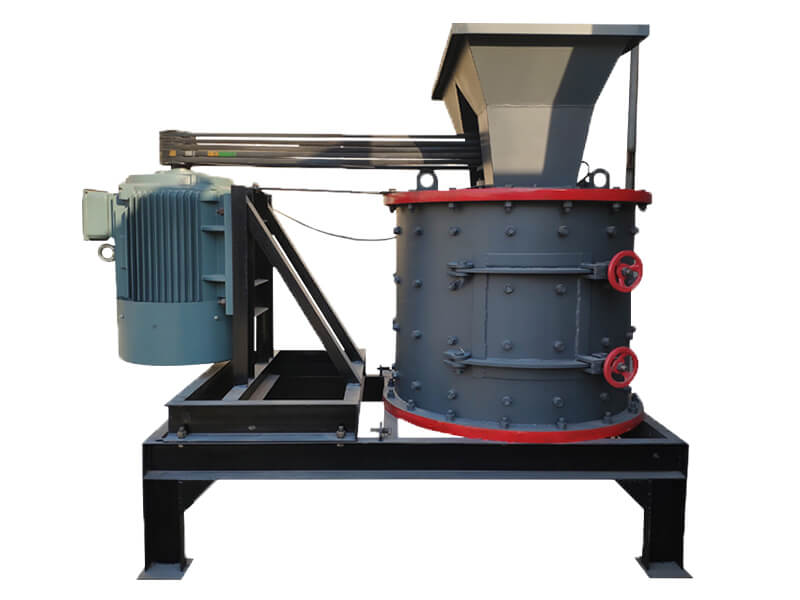
Vertical Crushing
Introduction:
The vertical crusher is mainly used for the fine crushing,like sand-making of medium-hard materials. It adopts the "materials against materials multi-level impact" method to crush raw materials such as ores, cement clinker, and coal gangue into fine particles ranging from 0.5 to 5 mm.
Advantages:
- No mesh strip design, less prone to clogging.
- Flexibly control the particle size of the finished product.
- Can break down high-temperature and hard materials.
- When encountering an unbreakable object,it will automatically be discharged without damaging the equipment.
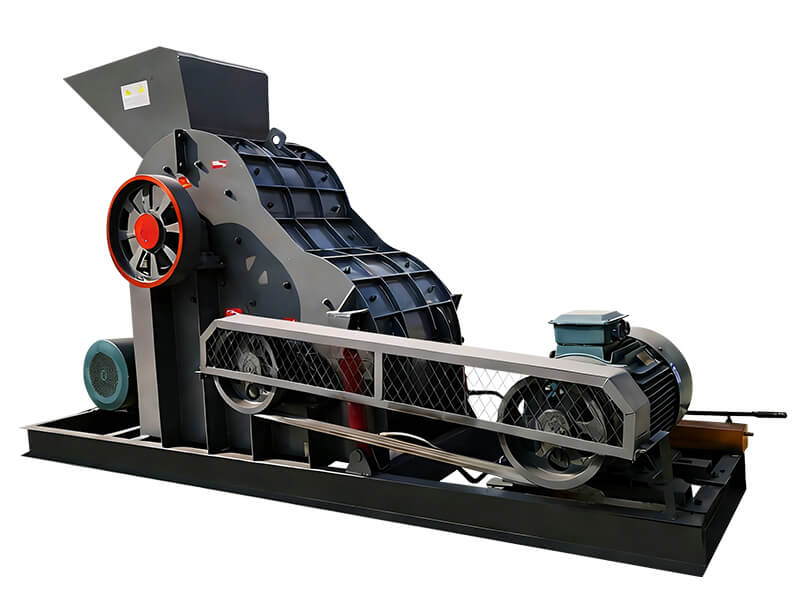
Hammer Shredder
Introduction:
It is an upgraded version of the traditional hammer crusher, It adopts the "upper and lower dual rotors + no bottom screen" design, specifically addressing the problem of blockage caused by high-humidity materials. It is a crushing equipment designed for high-humidity and medium-low hardness materials.
Advantages:
- High-moisture materials.
- Fine crushing.
- Reducing wear-part costs.
- Boosting production efficiency.
Drying
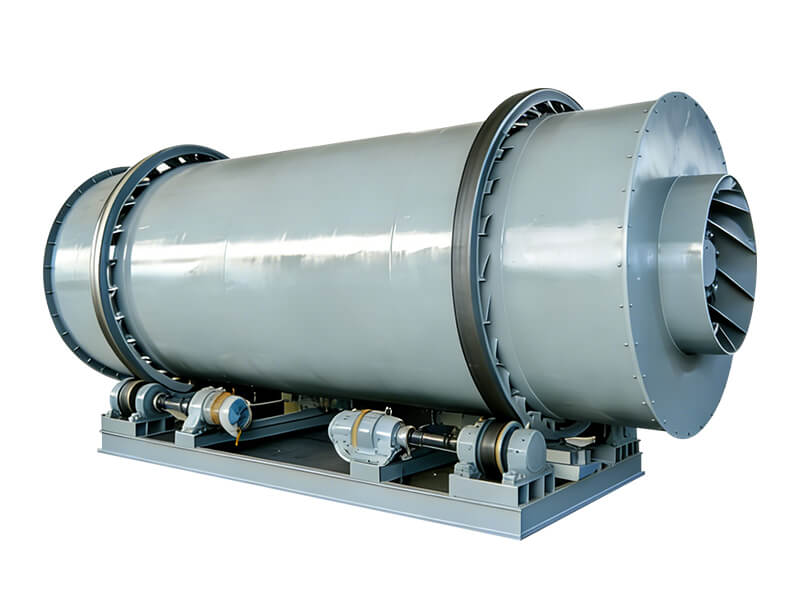
Rotary Drum Dryer
Introduction:
The rotary drum dryer achieves the process of reducing the moisture content of the materials from a highlevel to below 12% through the combination of "hot air flow and material turover".It is widely used inindustries such as mining,construction materials,and environmental protection.
Advantages:
- Strong capacity and adaptability.
- Reliable drying uniformity.
- High production flexibility.
- High long-tem operational cosl-effectiveness.
Mixing
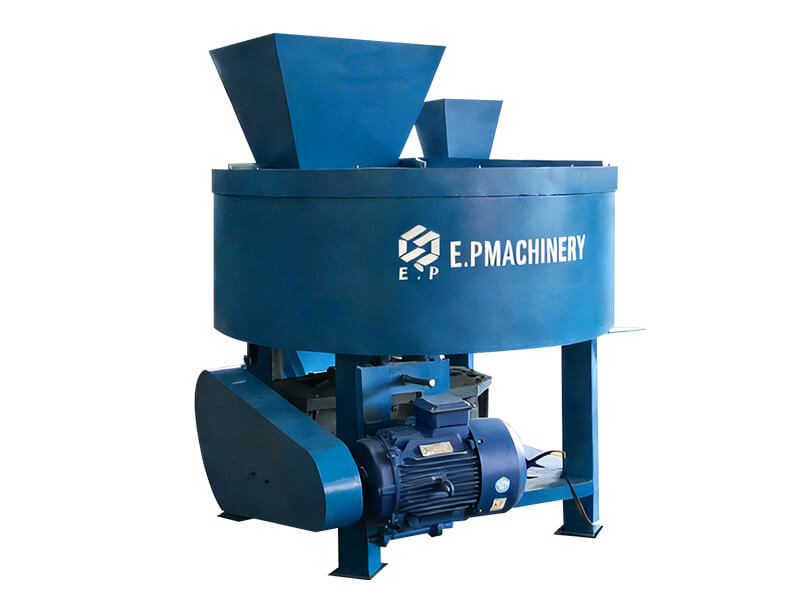
Wheel Mixing
Introduction:
The Wheel Mixing integrates the functions of "crushing + mixing", specifically designed for achieving uniform mixing and plasticization of high-humidity/high-viscosity materials (such as brick molds refractory materials)
Advantages:
- Superior mixing pertormance.
- High-quality cnd product.
- User-friendly operation.
- Enhanced sealing capability.
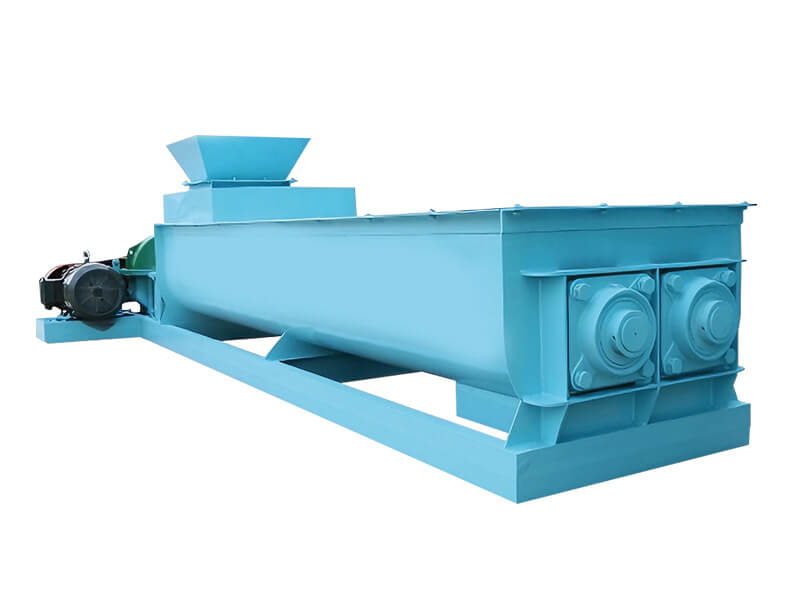
Twin-shaft Mixing
Introduction:
The Twin-shaft Mixing is a device in the industrial field that integrates the functions of mixing, humidification and transportation. It can process dry powder materialsto a dust-free state and is widely used in industriessuch as power plants and mines for the environmental protection treatment of dust/materials.
Advantages:
- Strong durability.
- Easy operation.
- Wide adaptability.
- High efficiency
- environmental protection.
Briquetting
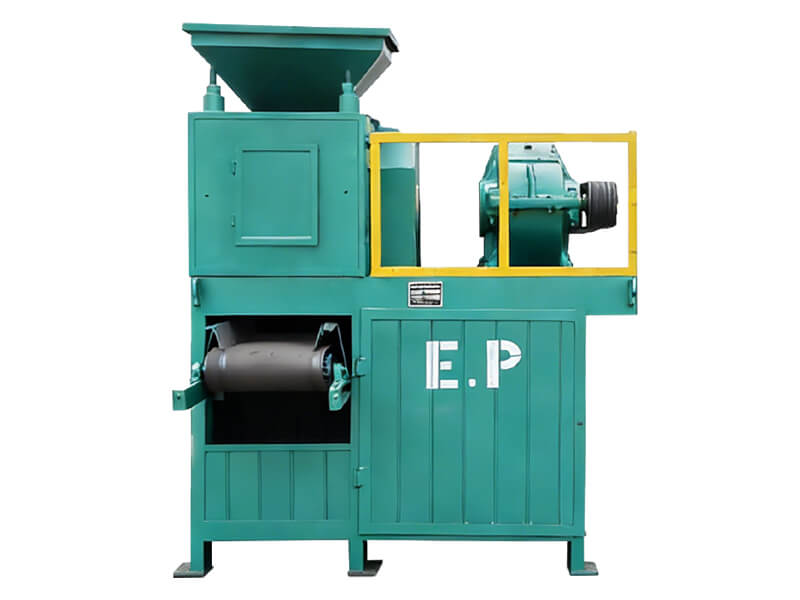
Mechanical Pressure
Introduction:
Mechanical briquette machine is an industrial device that compresses loose powdery/granular materialsinto high-density blocks (or spheres) via mechanical pressure, Its core function is to convert hard-to-handle bulk materials into formed products that are easy to transport, store and use.
Advantages:
- Mechanical transmission can operate continuously for a long time and has high production capacity.
- Lower energy
- costs than equtvalent hydraulic presses.
- The mechanical structure is mature,with few potential failure points and low maintenanoe costs.
- Robust structure and long service life.
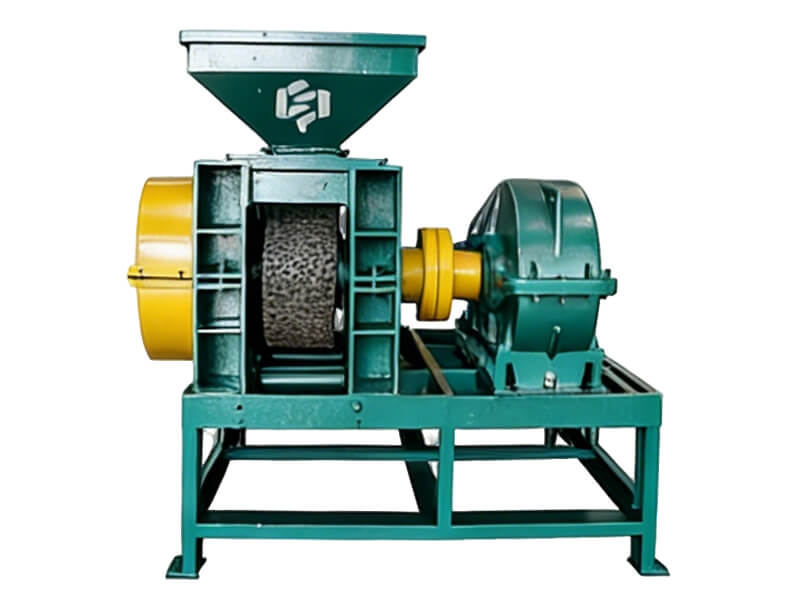
Hydraulic Pressure
Introduction:
Hydraulic briquette machine is a molding device that uses hydraulic transmission technology to compressvarious powdered and granular materials into high-density pellets, Compared with mechanical briquettemachine, it boasts superior pressure controllability and forming density.
Advantages:
- Strong pressure controllability.
- The formed briquettes have 10%-20% higher density than those produced by mechanical briquettingmachincs.
- Extending the service life of molds and pressure heads by over 30% compared with mechanical models.
- One machine for producing briquettes of multiple shapes and sizes.
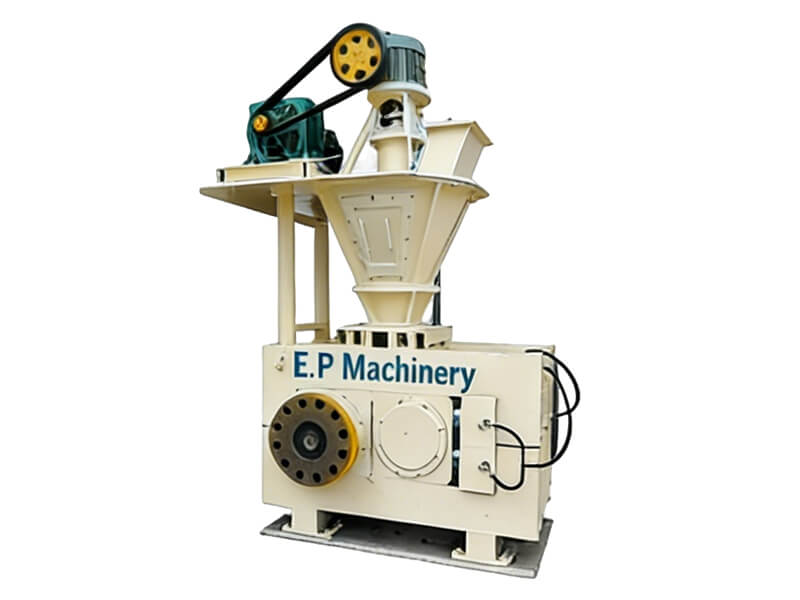
High Pressure
Introduction:
The High-pressure Briquetting Machine adds a spiral pressure device to the Hydraulic Briquetting Machine, compressing various loose, powdery, or granular materials with very little or even zero moisture into dense,regularly shaped briquettes.
Advantages:
- The briquettes have hnigh hardiness and low water absorption,not easy to break, during storage and transportation.
- Adopt PL,C control, reduce manual operation, improve production efficieney.
- Low energy consumption.
- Replaceable molds can meet the forming needs of different materials and different shape briquettes.
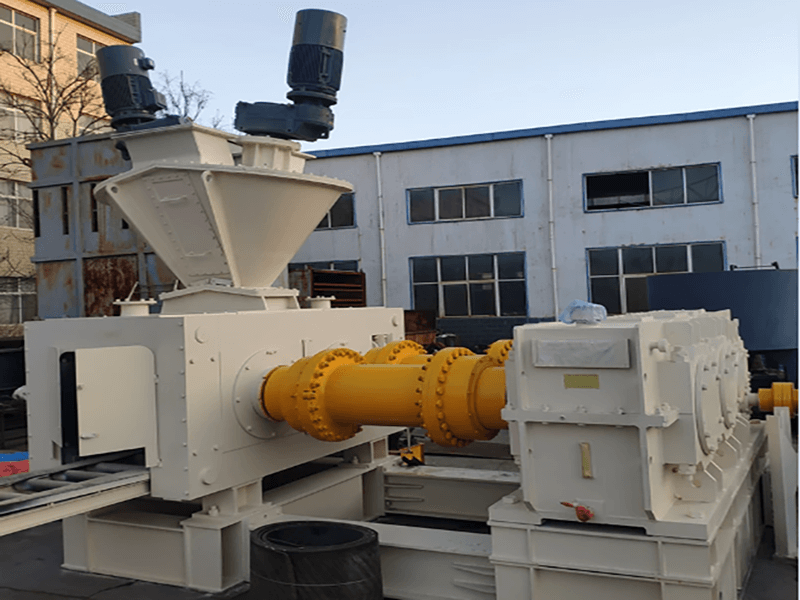
Premier Pressure
Introduction:
The Premier Pressure Briquetting Machine is an advanced industrial device that utilizes hydraulic transmission technology combined with a unique high-pressure forming mechanism to compress various loose, powdery, or granular materials into high-density briquettes. It is designed to meet the demand for high-quality briquettes in industries such as metallurgy, mining, and environmental protection.
Advantages:
- High-pressure forming mechanism ensures superior briquette quality.
- Advanced hydraulic transmission technology provides precise control.
- Suitable for a wide range of materials including coal, biomass, and industrial waste.
- Excellent durability and low maintenance requirements.
Briquettes Drying
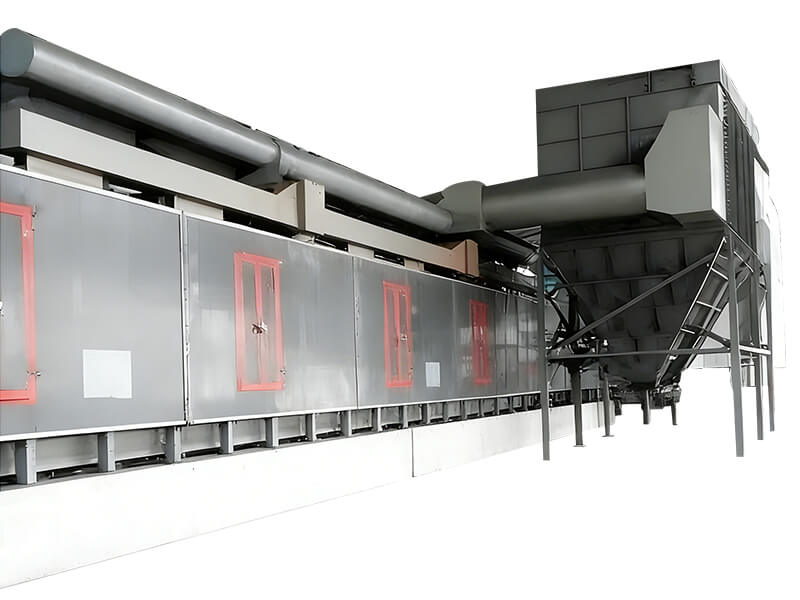
Flip Dryer
Introduction:
Flip dryer is a continuous production equipment heated by electricity, steam, or hot air. It uses steel chain plates as a conveyor belt to continuously dry materials.
Advantages:
- Super strong Load-bearing capacity and Impact resistance, suitable for heavy and harsh materials.
- Fully closed leak-proof design, zero material loss.
- Corrosion and High temperature resistance, long service life.
- Directional hot air contact, precisely controllable drying rhythm.
- Low maintenance cost, adaptable to complex working conditions.
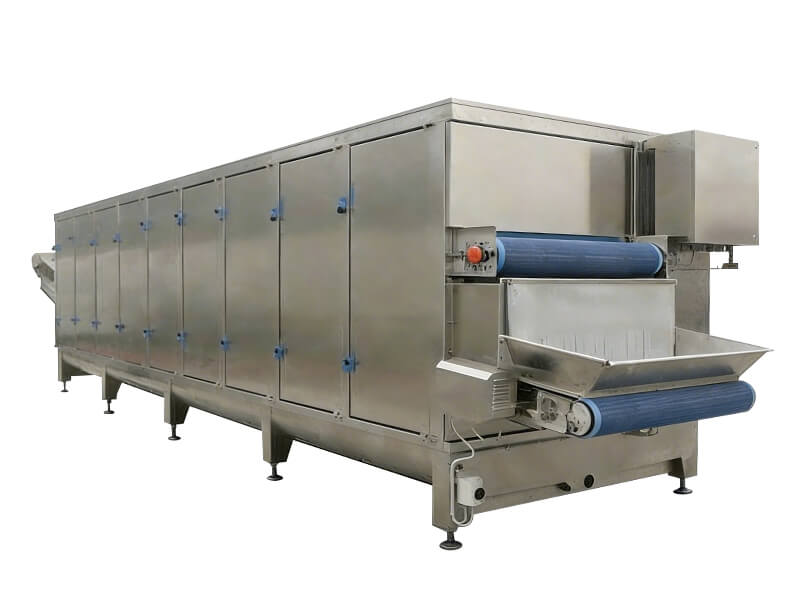
Mesh Belt Dryer
Introduction:
Mesh Belt Dryer is a continuous multi-layer belt dryer that uses a circulating metal mesh belt as the material conveying carrier. It achieves moisture evaporation through full contact between hot air and the material, and is widely used in large-scale material drying operations in industries such as industry, agriculture, and food.
Advantages:
- Cross-flow hot air drying, industry-leading uniformity.
- Multi-layer stacked design, ultimate space utilization.
- Outstanding energy-saving effect, lower operating costs.
- Wide adaptability, strong material and heat source compatibility.
- Convenient cleaning and Maintenance, meeting food-grade standards.


